
Crumb Rubber Asphalt Technology
DPCRM: Dry Process Crumb Rubber Modifier
DPCRM Rubber Asphalt helps asphalt producers, road managers, agencies, and contractors improve asphalt performance, lower production costs, and put recycled tire rubber to productive use in modern pavement projects.
Designed as a practical alternative to traditional polymer-modified asphalt, DPCRM gives infrastructure teams a cleaner, simpler way to produce high-performing rubberized asphalt through standard hot mix production.

Cost-Controlled Performance
Enhanced binder properties comparable to polymer modification while helping reduce material costs.
Cleaner Plant Handling
Lower mix viscosity can improve throughput, reduce buildup, and simplify production.
Recycled Tire Rubber Use
Dry-process technology puts scrap tire rubber to productive use in asphalt pavement.
Product Overview
What Is DPCRM Rubber Asphalt?
DPCRM is an innovative dry process crumb rubber modifier solution rooted in established technology that is gaining renewed traction across the U.S. It is created by grinding whole scrap automobile tires into crumb rubber, which is then incorporated into asphalt mixes and laid during paving.
As the largest market for recycled tires, rubberized asphalt puts approximately 220 million pounds, or around 12 million tires, to use each year. With rising interest, more states are rediscovering and refining this method to meet modern infrastructure demands.
DPCRM Rubber Asphalt gives asphalt producers and road managers a practical way to improve pavement performance, support recycled tire use, and reduce reliance on more expensive modification methods.
Uses recycled crumb rubber from scrap automobile tires
Supports cost-effective asphalt modification
Can be incorporated into standard hot mix production processes
Well-suited for roadways, overlays, preservation work, and public-sector paving budgets
Why DPCRM Matters
Why Choose DPCRM Rubber Asphalt?

DPCRM is a hot mix asphalt modification solution that is distinct from traditional liquid additives. Over 4 million tons of dry-process crumb rubber enhanced asphalt have delivered exceptional performance in demanding climates and traffic conditions for more than a decade.
Compared to polymer-modified asphalt, DPCRM offers plant-side advantages. Polymer mixes can be sticky and difficult to handle, often leading to slower production and system buildup. DPCRM is designed to run clean through your plant, improving efficiency and reducing operational headaches.
Request DPCRM InformationKey Advantages of DPCRM
DPCRM Rubber Asphalt Benefits
DPCRM Rubber Asphalt helps producers, agencies, and contractors improve performance while simplifying production and lowering costs.
Cost-Effective Upgrade
Delivers enhanced binder properties comparable to polymer modification while reducing material costs.
Improved Efficiency
Lower mix viscosity can support better throughput and easier handling compared to polymer systems.
Cleaner Truck Beds
Mix releases cleanly from truck beds, minimizing residue and reducing cleanup time.
Simplified Compaction
Workable mix characteristics help crews achieve density specifications efficiently.
Thin-Lift Performance
Well-suited for overlay and preservation applications where durability matters in reduced thicknesses.
Recycled Tire Rubber
Supports productive reuse of scrap tire rubber in asphalt pavement applications.
Cost and Production Value
Better Roads at Lower Cost
Today’s road managers, especially in the public sector, face the challenge of maximizing results with limited budgets. DPCRM offers a practical solution. Its lower production costs compared to polymer-modified alternatives often translate to lower project bids.
Incorporating DPCRM into your process is simple. The rubber modifier is metered into the production process alongside other mix components, requiring no additional blending infrastructure.
Get DPCRM DetailsCan increase material costs
Helps reduce material costs while improving performance
May be sticky and harder to handle
Lower mix viscosity supports easier handling
Can slow production and create system buildup
Runs clean through the plant and can improve throughput
May require specialized blending infrastructure
Can be metered into the production process with other mix components
DPCRM Process
How the DPCRM Process Works
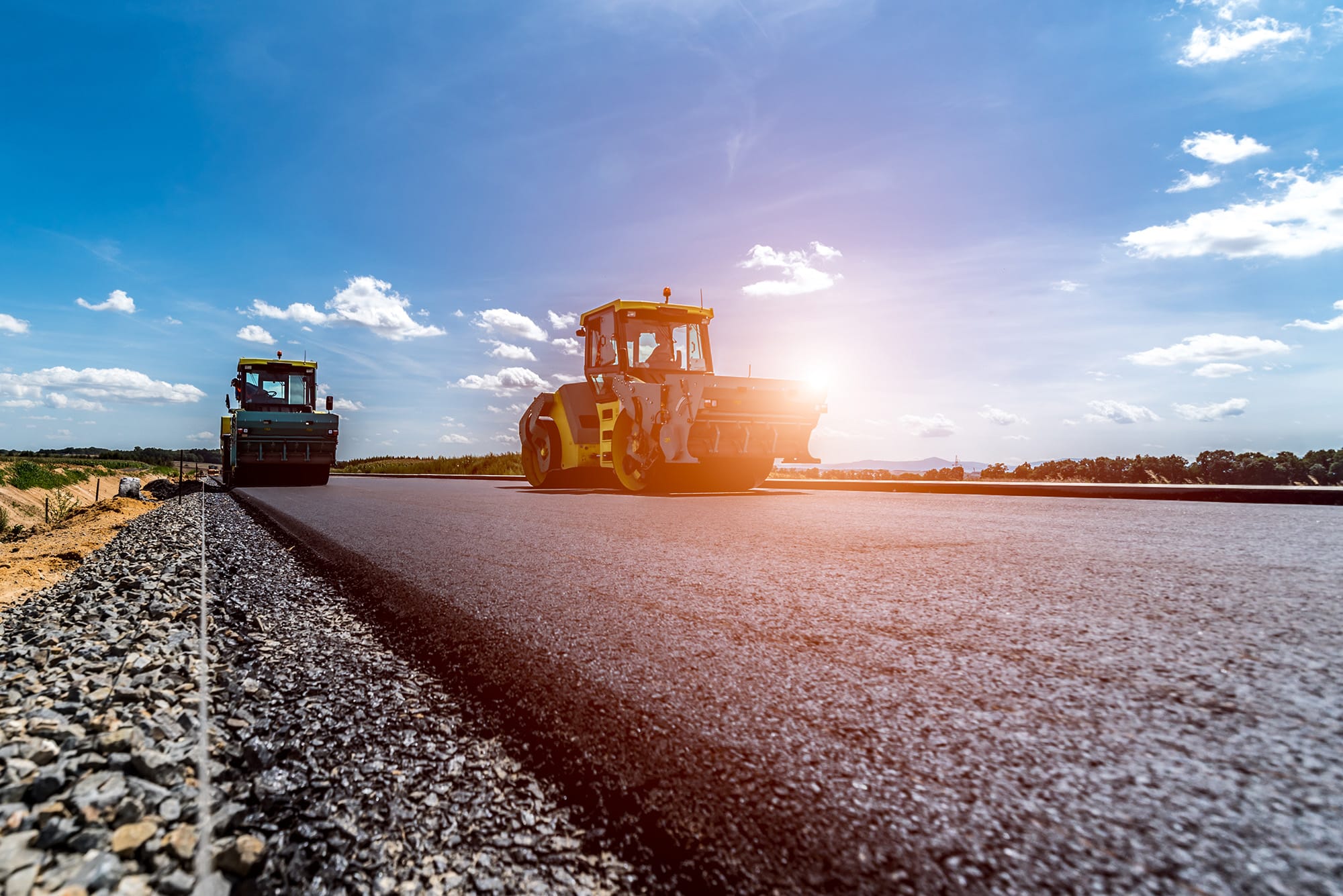
DPCRM integrates into your existing hot mix production process without specialized equipment. Rubber particles interact with the asphalt binder during mixing and transport to produce a modified pavement at a lower cost.
Crumb Rubber Is Metered Into Production
The rubber modifier is added alongside other mix components during standard hot mix asphalt production.
Rubber Particles Interact With Binder
The rubber particles interact with the heated asphalt binder during mixing, storage, and transport.
Modified Pavement Is Produced
The result is a rubberized asphalt mix that can rival polymer-modified performance at a lower cost.
Request Information
Build Better Rubberized Asphalt at a Lower Cost
DPCRM Rubber Asphalt helps asphalt producers and public-sector road managers improve pavement performance, reduce production challenges, and make better use of recycled tire rubber.
Or call (512) 779-4055
Rubberized Asphalt Technology
Dry-Process Technology Makes Rubberized Asphalt More Accessible
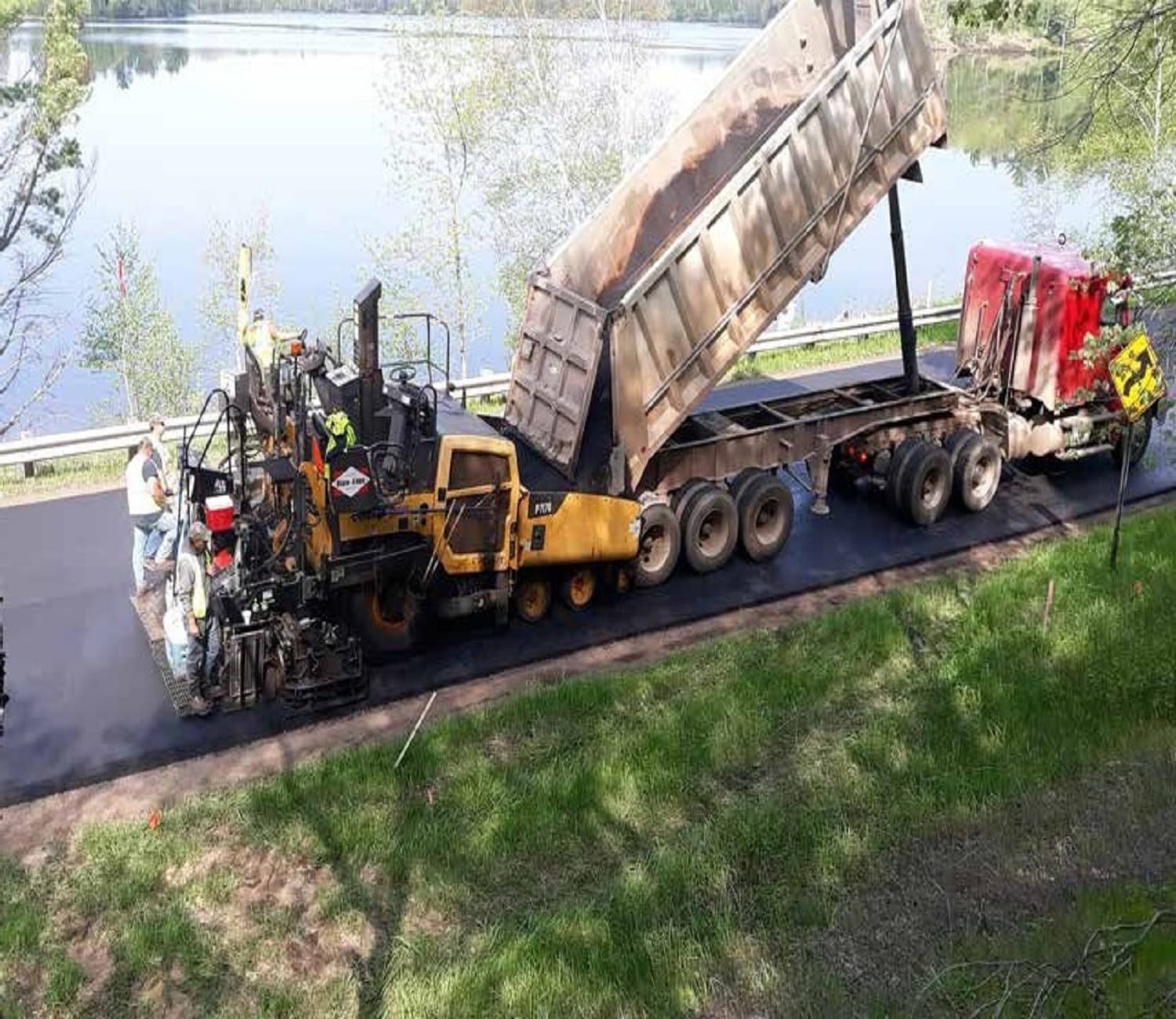
Traditional crumb rubber modification methods have faced challenges with cost, equipment requirements, and production complexity. Dry-process technology addresses these barriers by allowing rubber to be incorporated during standard mix production.
FAQ
DPCRM Rubber Asphalt FAQ
What is DPCRM?
DPCRM is a dry-process asphalt modification technology that incorporates crumb rubber into hot mix asphalt production.
How is DPCRM different from liquid asphalt additives?
DPCRM is distinct from traditional liquid additives because the crumb rubber modifier is incorporated during standard hot mix production instead of being handled as a liquid modifier.
Does DPCRM require specialized blending infrastructure?
No. DPCRM is metered into the production process alongside other mix components, which helps eliminate the need for additional blending infrastructure.
Why do producers choose DPCRM over polymer-modified asphalt?
DPCRM can provide enhanced binder properties comparable to polymer modification while reducing material costs, improving plant throughput, simplifying handling, and reducing buildup.
Where is DPCRM Rubber Asphalt most useful?
DPCRM Rubber Asphalt is useful for roadways, overlays, preservation applications, and projects where durability, cost control, production efficiency, and thin-lift performance are important.
Request DPCRM Rubber Asphalt Information
Ready to Improve Asphalt Performance and Lower Project Costs?
DPCRM Rubber Asphalt helps deliver longer-lasting roads, cleaner plant operations, simplified production, and polymer-like performance at a lower cost. Submit the form and an Envirotx specialist will help determine whether DPCRM is the right fit for your project.