
READ MORE BLOGS
ASPHALT MAINTENANCE • Crack Filling
Cold Pour Crack Filler: A Practical Guide to Asphalt Repair
Cold pour crack filler is a ready-to-use material designed to seal cracks in asphalt without heating the product before application. It helps limit water intrusion and gives pavement owners a practical way to address isolated cracks before they contribute to more extensive deterioration.
For municipalities, contractors, property managers, and maintenance crews, cold-pour technology can simplify pavement maintenance by reducing equipment requirements and setup time.
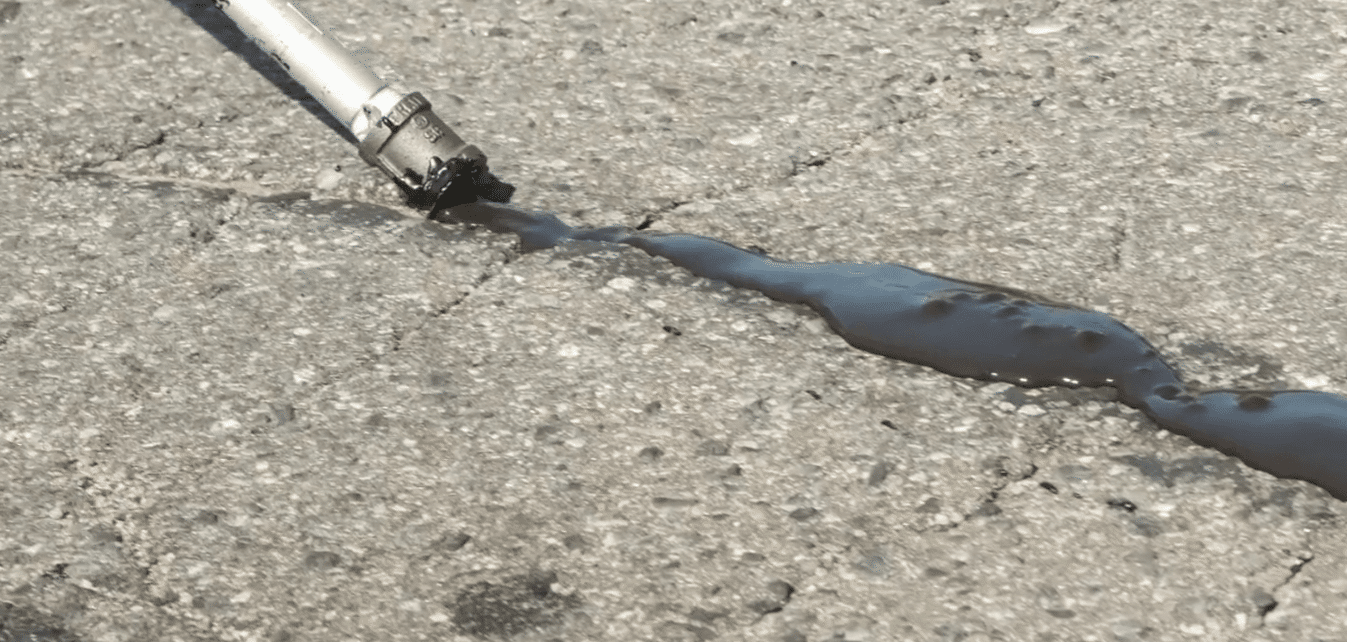
Practical Asphalt Crack Repair
What Is Cold Pour Crack Filler?
Cold pour crack filler is applied at ambient temperature directly into a prepared asphalt crack. Unlike hot-applied materials, it does not require a melter to bring the sealant to application temperature.
The material cures inside the crack to create a flexible seal. This helps reduce the amount of water and debris entering the pavement opening while allowing the repair to accommodate normal pavement movement.
Envirotx offers cold-pour options within its broader line of asphalt pavement preservation products , including SuperFlex Premium and EnviroFill.
No Heating Required
Cold-pour crack filler is designed for ambient-temperature application without a hot-melt kettle or sealant melter.
Flexible Crack Sealing
The material cures within the pavement opening to create a flexible seal that can accommodate normal pavement movement.
Helps Limit Intrusion
Proper crack treatment helps reduce the amount of water, debris, and incompressible material entering suitable asphalt cracks.
Why Should Asphalt Cracks Be Filled?
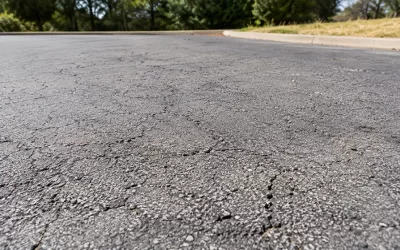
Cracks create openings where water and incompressible material can enter the pavement system. As traffic, weather, and temperature changes continue to affect the surface, untreated cracks may widen or contribute to additional pavement distress.
What crack filling can help address
- Water intrusion: Filling suitable cracks can help limit the amount of water entering pavement openings.
- Debris accumulation: Sealing cracks helps reduce the amount of dirt and incompressible material that can collect inside pavement openings.
- Crack growth: Timely treatment can help slow the deterioration of isolated pavement cracks before they become more disruptive.
- Preventive maintenance: Crack filling can support a proactive pavement preservation program and help delay more extensive repairs.
Filling suitable cracks can limit water entry, reduce debris accumulation, and slow the growth of isolated pavement openings. When completed at the right time, crack treatment can support a proactive maintenance program and help delay more disruptive repairs.
What Are the Advantages of Cold-Pour Crack Filler Products?
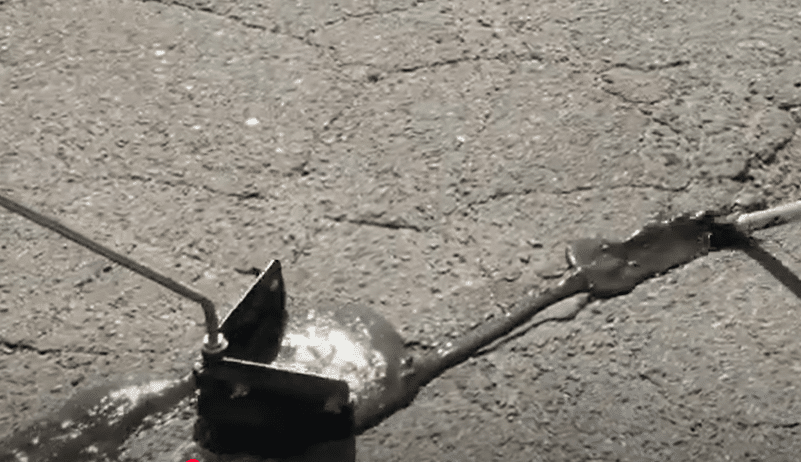
The primary advantage of cold-pour crack filler is straightforward application without heating equipment. Depending on the selected product and project conditions, this can reduce startup requirements and make crack treatment more practical for smaller crews or distributed maintenance work.
Cold-pour materials may be pumpable or pourable and can require less specialized equipment than hot-applied sealants. Some formulations also allow water cleanup before curing and can be used for cracks, joints, or seams.
Simpler Setup
Eliminating the need to heat the material can reduce equipment and startup requirements for asphalt crack-filling operations.
Practical Application
Depending on the formulation, cold-pour materials may be poured or pumped into prepared pavement cracks.
Flexible Maintenance Options
Some cold-pour formulations can be used for cracks, joints, or seams and may allow water cleanup before the material cures.
Product capabilities vary, so maintenance teams should review the applicable product data, installation instructions, pavement condition, and weather requirements before beginning work.
Discuss Your Asphalt Crack Repair ProjectHow Do You Apply Cold Pour Crack Filler?
Successful crack treatment starts with proper preparation. Although the exact procedure depends on the selected product, most applications follow five basic steps:
Five basic cold pour crack filler application steps
- Inspect the pavement. Confirm that crack filling is appropriate and identify areas requiring structural repair or drainage correction.
- Clean the crack. Remove vegetation, dirt, loose material, and contaminants that could interfere with adhesion.
- Check application conditions. Follow the product requirements for temperature, surface moisture, and forecast weather.
- Place the material. Pour or pump the filler into the crack using the recommended applicator.
- Complete the repair. Level the material when required and maintain traffic control until the product is ready for service.
Not every cold-pour product has the same moisture tolerance or curing window. For example, EnviroFill has specific temperature and weather requirements, while SuperFlex Premium is designed to tolerate limited dampness.
How Do You Choose the Right Cold Pour Crack Filler?
Selecting the right material starts with the pavement condition and the type of opening being treated. Important considerations include whether the surface is asphalt or concrete, the width and movement of the crack, current temperatures, forecast weather, available application equipment, traffic-control needs, and applicable project specifications.
SuperFlex Premium
SuperFlex Premium is a ready-to-use elastomeric sealant intended for cracks, joints, and seams.
The product is designed to tolerate limited dampness, making its application characteristics different from cold-pour products that require completely dry pavement conditions.
Learn more about SuperFlex Premium cold-pour crack filler .
EnviroFill
EnviroFill provides another option for asphalt crack filling and surface repair applications.
Its temperature, weather, pavement-condition, and application requirements should be reviewed before beginning work.
Because the products serve different project needs, an Envirotx specialist can help determine which material best matches the application.
Get Help Choosing a Crack Filler
Frequently Asked Questions About Cold Pour Crack Filler
Does cold pour crack filler require heating?
No. Cold-pour products are designed for application without a hot-melt kettle or melter. Other application equipment may still be needed depending on the product and project size.
Can cold pour crack filler be applied to wet pavement?
It depends on the product. SuperFlex Premium tolerates limited dampness, while other products may require a dry surface. Always follow the technical instructions for the selected material.
Will crack filler repair alligator cracking?
No. Alligator cracking often indicates deterioration beyond an isolated surface crack. The pavement should be evaluated for structural repair, patching, drainage correction, or rehabilitation.
When can traffic return?
Return-to-service time depends on the material, weather, surface condition, application rate, and product instructions. Appropriate traffic control should remain in place until the repair is ready.
Plan Crack Treatment Around the Pavement Condition
Cold pour crack filler can make preventive asphalt maintenance more accessible by eliminating heating requirements and simplifying application. Its effectiveness still depends on choosing the correct product, preparing the pavement properly, and treating cracks that are suitable for sealing.
Envirotx supplies pavement preservation materials and provides project-specific technical guidance.
Request a Quote or Product Consultation