
FOG SEAL ASPHALT • Pavement Preservation
What Is Fog Seal Asphalt and How Does It Work?
Fog seal asphalt is a pavement preservation treatment applied to serviceable asphalt surfaces to help protect the surface, refresh appearance, and slow surface-level wear before larger repairs are needed.
For municipal teams, property managers, contractors, and pavement maintenance buyers, the practical question is not just what fog seal is. It is whether the existing asphalt is still a good candidate, what the treatment can realistically do, and how an advanced emulsified fog seal such as EnviroBLACK fits the project.
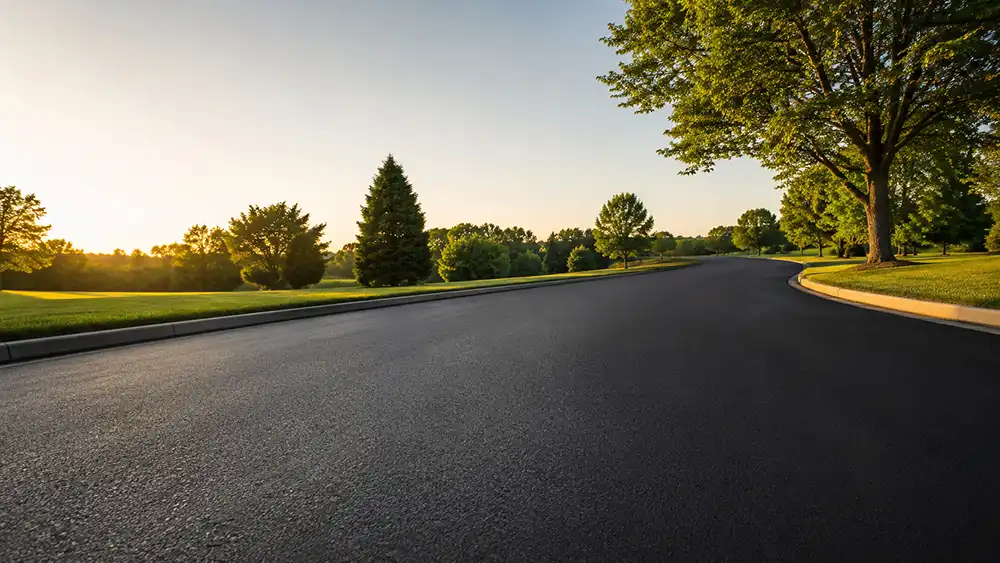
Surface Preservation Planning
What Is Fog Seal Asphalt?
Fog seal asphalt is a light asphalt emulsion treatment used on existing asphalt pavement. It is commonly considered when pavement is faded, oxidized, dry-looking, or lightly worn but still serviceable enough for preservation instead of major repair.
In practical terms, fog sealing is part of a preventive maintenance conversation. The goal is to treat the surface while the asphalt still has useful life, rather than waiting until potholes, severe cracking, base movement, or widespread raveling require a more involved repair plan.
Surface-Focused
Fog seal is intended for the pavement surface, not for rebuilding failed base layers or correcting major structural distress.
Preservation-Oriented
It is most useful when the owner is trying to protect serviceable asphalt before deterioration becomes more disruptive.
Condition-Dependent
Project fit depends on pavement condition, surface prep, weather, application method, and return-to-service needs.
That distinction matters for buyers. A fog seal is not simply "black paint for pavement." The right product and application should support a preservation goal, not hide problems that need repair first.
How Does Fog Seal Work on Asphalt Surfaces?
Fog seal works by applying an asphalt emulsion to the pavement surface so it can interact with the existing asphalt. Depending on the product, surface condition, and application method, the treatment may help bind loose surface particles, darken faded pavement, and add a protective surface layer against weather and traffic exposure.
Surface preparation is a major part of the result. Dirt, debris, loose aggregate, standing water, and surface obstructions can interfere with how well a treatment contacts the asphalt. Before a fog seal project, the pavement should be reviewed and cleaned so the material can be applied to a suitable surface.
Ask About EnviroBLACKA practical fog seal sequence
- Evaluate whether the asphalt is still a preservation candidate.
- Repair conditions that should not be covered by a surface treatment.
- Clean the surface so loose material and debris are removed.
- Select the application method based on the site, surface, and product guidance.
- Allow the material to cure before reopening the area to traffic.
Because fog seal performance depends on the surface and conditions, buyers should treat application planning as part of the decision. The best question is not only "Can this product be applied?" but "Is this surface ready for this type of preservation treatment?"
When Is Fog Seal Commonly Considered?
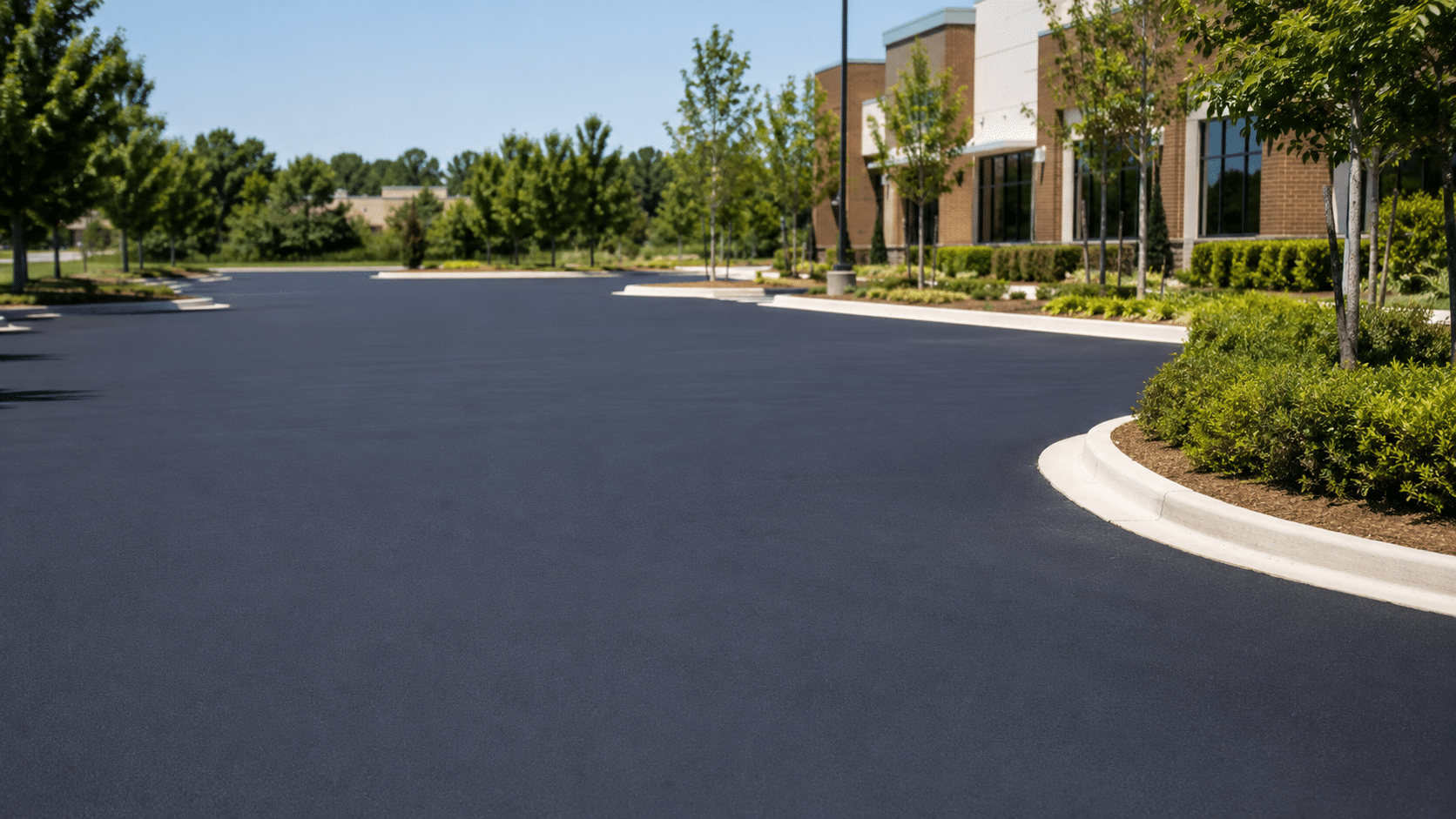
Fog seal is commonly considered when asphalt is faded, oxidized, or showing early surface wear while the pavement remains mostly intact. These conditions often show up before the pavement reaches the point where milling, overlay, reconstruction, or broad patching becomes the more appropriate first step.
Good candidates are usually surfaces where the owner wants to improve appearance, support surface protection, and plan maintenance proactively. Parking lots, roadways, driveways, airports, commercial properties, and municipal pavement assets may all be evaluated, depending on condition and project requirements.
Fog seal may be worth evaluating when:
- The asphalt has turned gray, dull, or dry-looking.
- The surface is oxidized but not severely broken.
- Loose aggregate or raveling is limited.
- Cracks, if present, are minor or can be addressed before treatment.
- The site needs appearance improvement with practical downtime planning.
- The buyer wants a preservation option rather than a full resurfacing conversation.
A site review is still important. Fog seal suitability should not be decided from color alone. Drainage, cracking, traffic, prior repairs, surface texture, weather, and operational constraints can all affect whether the treatment makes sense.
What Can Fog Seal Not Fix?
Fog seal cannot fix failed pavement. It should not be used as a substitute for repairing potholes, severe cracking, base failure, drainage problems, or widespread loose material. If the asphalt has already moved beyond surface-level wear, repairs may need to happen before any preservation treatment is considered.
This is where many pavement buyers get frustrated. A treatment may make an area look darker for a short time, but if the underlying surface is unstable, the core pavement problem remains. A practical buyer explainer has to be honest about that limit.
Repair or further evaluation may be needed first when you see:
- Potholes, broken edges, or failed areas
- Alligator cracking or signs of base movement
- Widespread raveling or loose aggregate
- Drainage issues that leave water standing on the pavement
- Cracks that should be filled or sealed before surface treatment
- Surface contamination or debris that cannot be properly removed
Is Fog Seal the Same as Seal Coat?
Fog seal and seal coat are not the same, although both may be discussed in pavement maintenance planning. Traditional seal coats are often used as surface coatings. Fog seal treatments are typically lighter emulsion-based treatments intended to interact with the asphalt surface.
The better question is not whether one category is always better. The better question is which treatment matches the pavement condition, owner goal, expected traffic, moisture conditions, appearance needs, application window, and maintenance plan.
Treatment Goal
Fog seal is often considered for preservation and surface renewal. Seal coat may be selected for other maintenance or appearance goals.
Surface Behavior
Product chemistry and application matter. Buyers should ask whether the system integrates with the surface and how it handles moisture vapor.
Project Fit
The right answer depends on the surface condition, downtime tolerance, traffic needs, and preservation objective.
A balanced comparison helps buyers avoid overgeneralizing. Some surfaces need repair first. Some may be candidates for a conventional maintenance approach. Others may benefit from an advanced emulsified fog seal designed for breathable surface protection.
How EnviroBLACK Fits the Fog Seal Category
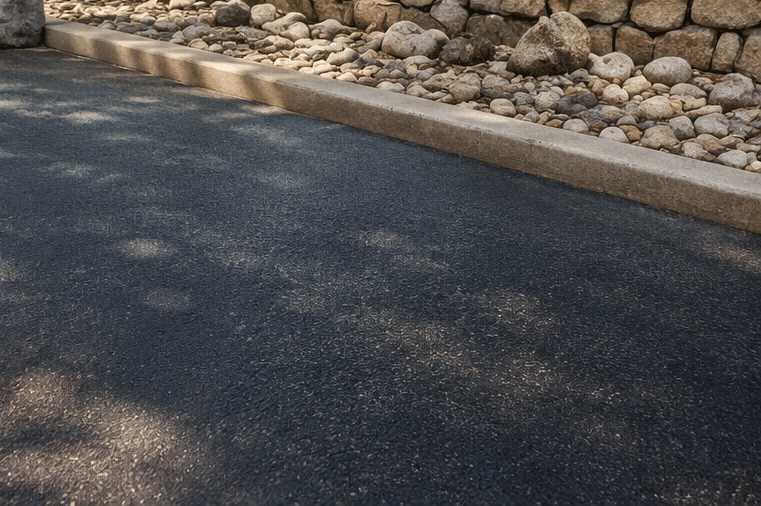
EnviroBLACK is Envirotx's advanced emulsified fog seal for asphalt surface preservation, visual restoration, and breathable protection. It is a polymer-modified asphalt emulsion designed to bond with asphalt, restore a deep black appearance, and help protect the pavement surface from environmental wear.
EnviroBLACK is distinct from a basic fog seal explainer because it is designed for buyers who need appearance, preservation, breathability, and return-to-service planning in the same conversation. It is built for asphalt surfaces such as parking lots, roadways, driveways, airports, commercial properties, and municipal pavement assets, depending on project conditions.
Breathable Protection
EnviroBLACK is designed to help protect asphalt while allowing moisture vapor to escape from the pavement surface.
Deep Black Finish
It helps restore a rich black appearance to faded and oxidized asphalt surfaces.
Flexible Application
EnviroBLACK can be applied using high-volume airless spray, mechanical squeegee, brush, or rubber-blade methods.
EnviroBLACK is also designed for fast return to service, with dry time of less than one hour under suitable conditions. Actual dry time depends on weather, surface condition, and application method, so reopening should always be planned around site-specific conditions.
Frequently Asked Questions About Fog Seal Asphalt
What is fog seal asphalt?
Fog seal asphalt is a light asphalt emulsion treatment applied to existing asphalt pavement. It is commonly used as a preservation treatment for serviceable surfaces that are faded, oxidized, or showing early surface wear.
Is fog seal the same as seal coat?
No. Fog seal and seal coat are different pavement maintenance categories. Fog seal is typically a lighter emulsion-based surface treatment, while traditional seal coat often functions more like a surface coating. The right choice depends on pavement condition and project goals.
What pavement condition is best for fog sealing?
Fog sealing is generally best evaluated when asphalt is still serviceable but showing fading, oxidation, or light surface wear. Pavement with severe cracking, potholes, base failure, or widespread raveling usually needs repair evaluation first.
Is fog seal a repair product?
No. Fog seal is a preservation treatment, not a structural repair product. It can support surface protection and appearance goals, but it should not be used to cover failed pavement or replace needed repairs.
How is EnviroBLACK different from a basic fog seal?
EnviroBLACK is an advanced emulsified fog seal and polymer-modified asphalt emulsion designed to integrate with asphalt, restore deep black appearance, and support breathable surface protection. It is intended for buyers who need a practical preservation conversation, not only a cosmetic darkening treatment.
Talk to Envirotx About Fog Seal Asphalt and EnviroBLACK
If your parking lot, roadway, facility pavement, or municipal asphalt surface is faded or oxidized, Envirotx can help you evaluate whether EnviroBLACK is a practical preservation fit. Talk to a roadway specialist about surface condition, application planning, and project requirements before choosing a treatment.
Talk to a Roadway Specialist