
GRAVEL ROAD DUST CONTROL - Envirotx Roadway Solutions
How to Stop Gravel Road Dust Without Constant Watering
Gravel road dust control works best when the treatment matches the real cause of the problem, not just the visible symptom. For teams trying to solve an active dust problem, Envirotx helps owners evaluate material condition, moisture, traffic, drainage, and lifecycle cost, then match the project to IntegriBlend dust control and soil stabilization support where it fits.
This guide explains what to look for, when common alternatives make sense, and how Envirotx connects the right product or technical service to the problem the buyer is trying to solve.
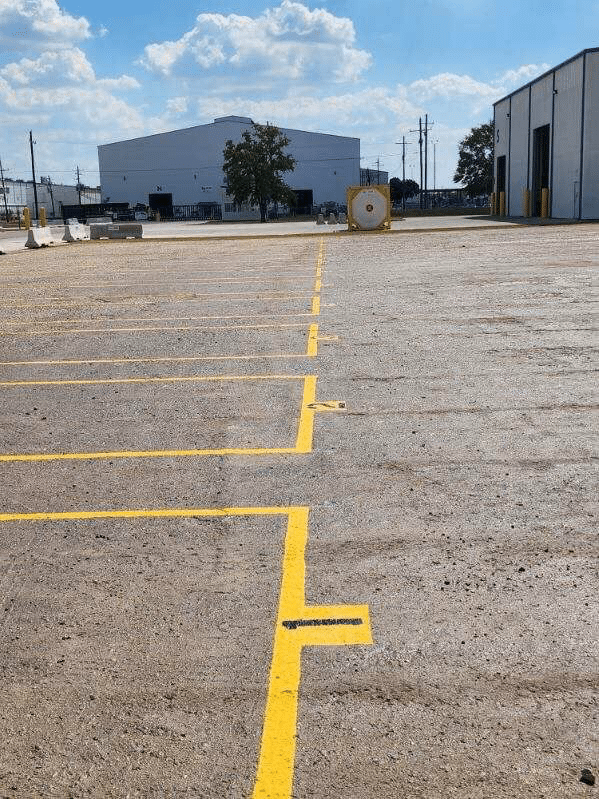
Envirotx Roadway Support
Why Constant Watering Usually Falls Short
Water can knock dust down quickly, but it evaporates, runs off, and often requires repeated truck passes. On active gravel roads, mines, storage yards, agricultural access routes, and industrial sites, that turns dust control into a daily operating burden.
IntegriBlend liquid magnesium chloride attracts moisture from the air and helps keep the road surface damp longer than water alone. Envirotx also offers complex sugar blends where additional binding and stabilization are needed on base courses with fewer plastic materials.
The practical goal is to hold fines in the wearing surface instead of repeatedly replacing material that traffic and wind have already carried away.
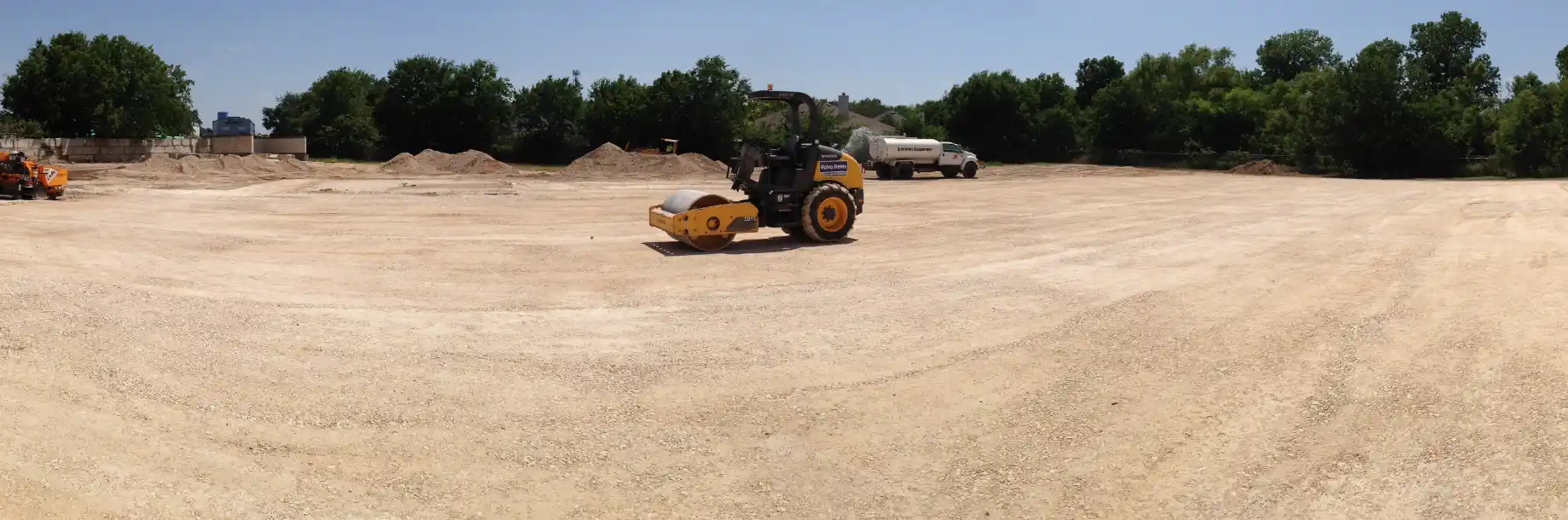
What the Problem Usually Means
Gravel road dust control is usually a sign of a system issue. Surface distress may be visible first, but the cause often sits in the base, subgrade, binder condition, drainage path, traffic pattern, or maintenance timing.
A durable repair starts by separating symptoms from causes. Dust, rutting, fading, cracking, ice bonding, and surface raveling each point to different decisions about materials, equipment, timing, and expected service life.
Envirotx approaches road and site maintenance as a layered system: subgrade, base, surface, weather exposure, traffic, and operations all influence whether a treatment performs.
Where Dust Control Should Become Stabilization
If the surface is dusty but otherwise well graded, a topical dust control program may be enough. If the road is also rutting, pumping, washing out, or losing shape, stabilization should be considered.
Blended application, compaction, aggregate correction, and drainage improvement can help the treated layer perform as a working road surface rather than a temporary dust blanket.
Envirotx can provide application support or product delivery depending on the project scope and location.
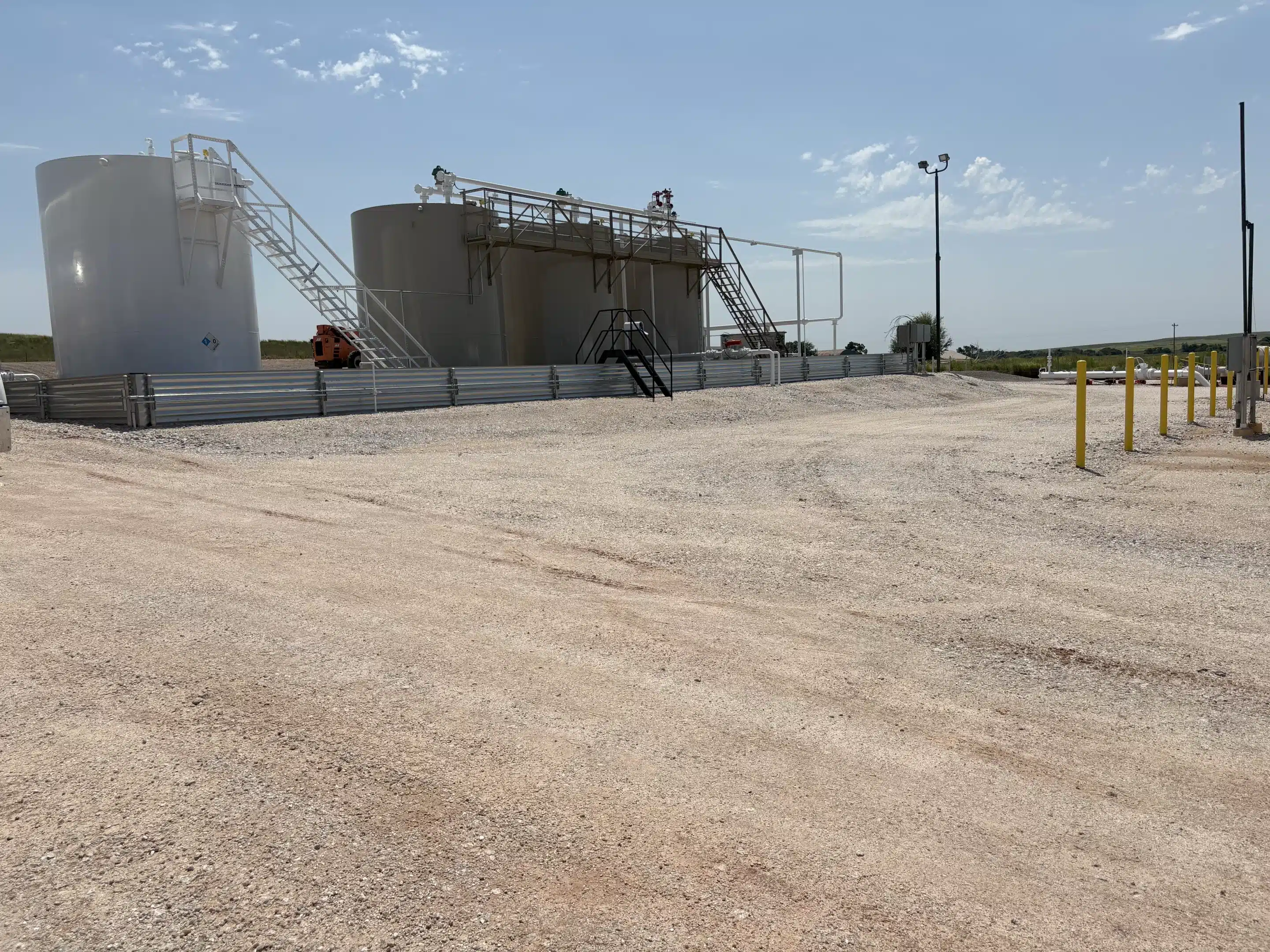
How to Choose the Right Treatment
The right treatment depends on what the owner needs the surface to do. A low-volume access road, a municipal street, a parking lot, an oilfield road, and a hot mix asphalt project do not have the same risk profile.
Decision-makers should look at traffic weight, water exposure, soil or aggregate gradation, existing distress, crew capacity, return-to-service needs, and budget timing before selecting a product.
A product that is ideal for a preventative maintenance window may not be enough for a failed base. Likewise, rebuilding a surface may waste money if a lighter preservation treatment would protect a pavement that is still structurally sound.
What to Check Before Crews Mobilize
A good plan starts before material arrives on site. Confirm the treatment area, traffic control needs, weather window, surface preparation, crew roles, application method, and return-to-service expectations.
For unpaved roads, that may mean checking crown, ditches, aggregate gradation, moisture content, and compaction equipment. For asphalt, it may mean cleaning the surface, mapping cracks, confirming pavement condition, and avoiding treatment over structural failures.
Documentation also matters. Photos, quantities, application rates, dates, and observed conditions help owners compare performance over time instead of relying on memory after the next storm, haul cycle, or budget review.
How to Think About Cost
The lowest unit price is not always the lowest-cost decision. Labor, equipment, downtime, retreatment frequency, water use, traffic disruption, material loss, and delayed repairs all affect the real cost of a road maintenance choice.
Preventative treatments usually make the most sense when the road or pavement still has enough structure to preserve. Corrective treatments are more appropriate when the section has already lost shape, strength, or surface integrity.
Envirotx can help buyers compare the practical tradeoffs: treat now, stabilize deeper, preserve the surface, repair cracks, collect roadway data, or plan a more intensive rebuild where the existing structure is too far gone.
Envirotx Resources for the Next Step
Readers comparing gravel road dust control options usually need both product information and a practical review of site conditions. These Envirotx resources are the best next places to continue that evaluation.
For broader context, see EPA particulate matter information. EPA identifies particulate matter as an air-quality concern, which is one reason road dust control should be treated as more than a housekeeping issue.
FAQ
What is the first step in evaluating gravel road dust control?
Start by identifying the failure mechanism. Look at moisture, traffic, surface material, base condition, drainage, weather exposure, and how quickly the same problem returns after maintenance.
Is IntegriBlend dust control and soil stabilization support right for every project?
No. It should be matched to soil, pavement, traffic, weather, equipment, and maintenance goals. Envirotx can help narrow the options based on field conditions.
When should crews repair earlier instead of waiting?
Repair earlier when the surface is still structurally sound and the goal is preservation. Waiting can allow water, traffic, and oxidation to turn a lower-cost maintenance item into a deeper repair.
What information helps Envirotx recommend a product?
Useful information includes location, surface type, traffic type, photos, current maintenance practices, drainage concerns, soil or mix details, timing, and the owner's performance goals.
Get Dust Under Control Before It Becomes a Maintenance Cycle
Envirotx helps agencies, industrial operators, contractors, and property owners evaluate unpaved road conditions and choose practical dust control or stabilization options.
Request Dust Control Support