
Heavy Haul Roads Soil Stabilization: Supporting Extreme Loads and Dynamic Traffic
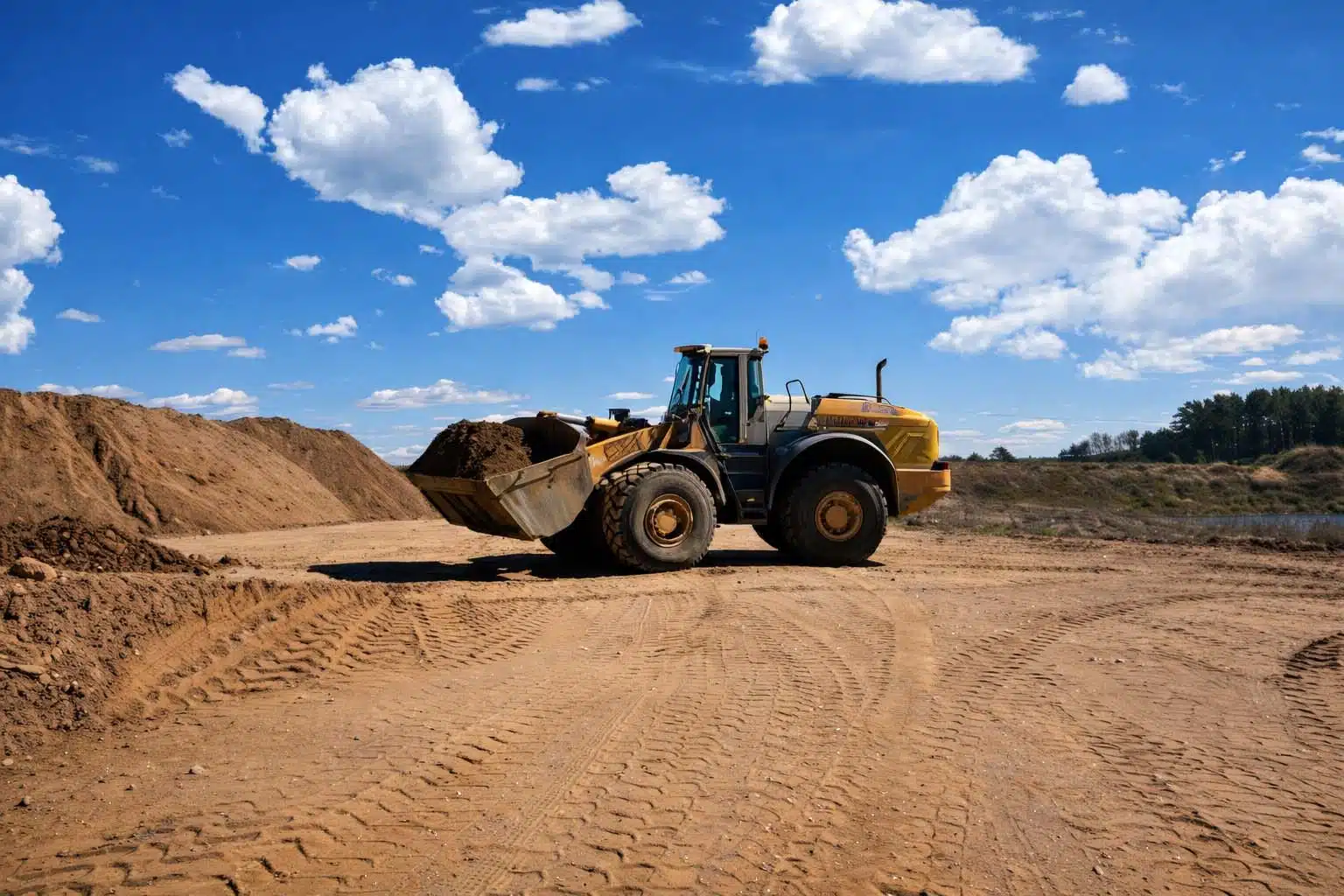
Heavy haul roads are the arteries of modern mining operations—supporting continuous movement of ore, equipment, and specialized vehicles that often weigh hundreds of tons. These roads endure far greater stress than typical industrial or commercial routes. As load demands rise and mining operations expand, traditional construction and maintenance methods are struggling to keep up. The result is costly road failures, vehicle damage, safety hazards, and productivity losses.
On this page Tap to collapse
Soil stabilization has emerged as one of the most effective strategies for creating durable, long-lasting heavy haul roads capable of handling extreme loads and dynamic traffic. With advanced stabilizing technologies, mining companies can dramatically enhance road strength, reduce maintenance costs, and extend the life cycle of critical haul routes. Southwest Envirotx Partners LLC provides solutions specifically engineered for the unique challenges of heavy haul infrastructure—ensuring higher load-bearing capacity, improved consistency, and safer, more reliable road performance.
Increase bearing strength to handle repeated heavy loads with less deformation.
Reduce softening and pumping from wet conditions and seasonal cycles.
Fewer re-grades, less dust suppression, and reduced operational downtime.
Understanding the Demands of Heavy Haul Roads
Heavy haul roads differ from standard access roads in nearly every measurable way. They must endure:
Ultra-High Loads
Mining haul trucks—such as 240-ton or 400-ton class trucks—place extreme vertical loads on the road surface and substructure. Without proper stabilization, the underlying soils can pump, rut, or deform under pressure.
Continuous Dynamic Traffic
Heavy trucks generate constant vibration, lateral movement, and repetitive stress cycles. Even well-compacted soil eventually shifts or breaks down if not properly stabilized.
Variable Soil Conditions
Mining regions often contain challenging soils:
- High plasticity clays
- Swelling soils
- Loose or cohesionless sands
- Moisture-sensitive subgrades
These materials move, shrink, expand, or lose strength under loads and weather changes—making stabilization essential.
Weather Extremes
Rain, heat, and freeze-thaw cycles all compound soil failure, rapidly degrading unprotected haul routes.
Given these conditions, a conventional approach of grading, watering, and adding aggregate cannot sustain long-term performance. Mining operations need engineered soil stability that strengthens the subgrade and base layers from the inside out.
The Role of Soil Stabilization in Heavy Haul Performance
Soil stabilization fundamentally changes the engineering behavior of native soils. Whether the goal is increased load capacity, reduced moisture sensitivity, or long-term structural integrity, modern stabilizers chemically and physically modify the soil matrix to create durable, high-strength foundations.
Improved Load-Bearing Capacity
Stabilized soils significantly outperform untreated soils in load-bearing strength. By binding fine particles and reducing internal voids, stabilization creates a more rigid and resilient layer able to distribute heavy truck loads without deformation.
This prevents:
- Rutting
- Pumping
- Shear failure
- Road base crushing
In heavy haul operations, stronger subgrades directly translate into fewer road closures and greater uptime.
Enhanced Resistance to Moisture and Weather
Moisture is one of the greatest threats to haul road performance. Many native soils lose strength when wet, and repeated wet–dry cycles break down road structure.
Proper soil stabilization:
- Hydrophobically treats soils
- Reduces water absorption
- Prevents expansion and contraction
- Improves long-term density
This keeps roads stable—even during heavy rainfall or seasonal transitions.
Key Benefits
Reduced Maintenance Requirements
Unstabilized haul roads require constant:
- Grading
- Watering
- Dust suppression
- Aggregate replacement
- Patch repair
These activities interrupt operations and increase costs.
Stabilized roads retain their shape and engineering performance, reducing both planned and unplanned maintenance. Many mining operations report 30–70% reductions in annual road maintenance after implementing stabilization.
Increased Operational Efficiency
Stable roads directly impact fleet performance:
- Trucks operate at optimal speeds
- Fuel consumption decreases
- Tire wear is reduced
- Suspension and chassis damage decreases
In high-intensity mining environments, even minor improvements in haul cycle times can save millions annually.
Improved Safety for Personnel and Equipment
Ruts, potholes, soft spots, and surface failures create unsafe driving conditions. Stabilization eliminates many of these hazards by creating a uniform and consistent road platform.
Better roads support:
- More predictable vehicle handling
- Fewer accidents
- Reduced mechanical failures
- Improved visibility through reduced dust
Cut Water Usage in Mining Operations
heavy haul roads Soil Stabilization
The Role of Soil Stabilization in Heavy Haul Performance

Why Choose EnviroTX
Envirotx: Advanced Stabilization for Extreme Industrial Conditions
Southwest Envirotx Partners LLC provides soil stabilization solutions engineered specifically for heavy haul, mining, and industrial operations. Our technologies outperform traditional lime and cement, which often struggle in high plasticity or moisture-sensitive soils.
Key Advantages of Envirotx Stabilization Technologies
- Effective on High PI Soils
- Increased Load-Bearing Capacity
- Faster Construction and Curing
Many of our products work at ambient temperatures—no heat required—and allow rapid return to service. This minimizes downtime and keeps mining operations moving.
Ready to strengthen your heavy haul roads?
Tell us your site conditions and traffic demands—we’ll recommend the right stabilization approach.
Request a Quote