
DUST CONTROL TECHNIQUES • Roadway Stabilization
Dust Mitigation Techniques: Building Safer, Cleaner, Longer-Lasting Roadways and Sites
Dust is more than a nuisance on unpaved roads, construction sites, industrial yards, oilfield access roads, mining roads, and commercial developments. It is often a sign of surface instability, material loss, poor moisture control, and ongoing deterioration.
Effective dust mitigation starts with understanding why dust is forming in the first place and choosing the right combination of surface treatment, stabilization, drainage, material correction, and maintenance planning.
Safer Roads and Cleaner Sites
Why Dust Control Matters
When fines are lifted from a road or work surface by wind, traffic, or equipment movement, the surface loses the small particles that help bind aggregate together. Over time, that loss can lead to raveling, washboarding, rutting, reduced visibility, higher maintenance costs, and safety concerns for drivers, workers, and surrounding communities.
In many cases, dust is not simply “dry dirt.” It is caused by a combination of traffic volume, vehicle speed, weak surface material, poor gradation, lack of moisture retention, inadequate compaction, drainage issues, and exposed fines. That is why effective dust control techniques do more than temporarily wet the surface. They address the roadway or site as a working system.
Uncontrolled dust affects performance, safety, operations, and long-term cost. On rural roads, county roads, construction entrances, haul roads, and industrial sites, airborne dust can reduce driver visibility and create unsafe working conditions. For nearby homes, businesses, equipment, vegetation, and water resources, dust can also become a community and environmental concern.
From an infrastructure standpoint, dust represents material leaving the roadway. Every dust cloud contains fine particles that are no longer helping stabilize the surface. As those fines disappear, aggregate becomes loose, the road surface becomes more vulnerable to traffic abrasion, and maintenance cycles become more frequent.
Improve Road Safety
Reducing airborne dust helps improve visibility for drivers, crews, operators, and nearby traffic.
Protect Surface Materials
Keeping fines in place helps preserve the materials that support surface binding and road stability.
Lower Maintenance Demand
A proactive dust mitigation program can reduce grading, watering, aggregate replacement, and downtime.
Technique 1: Water Application
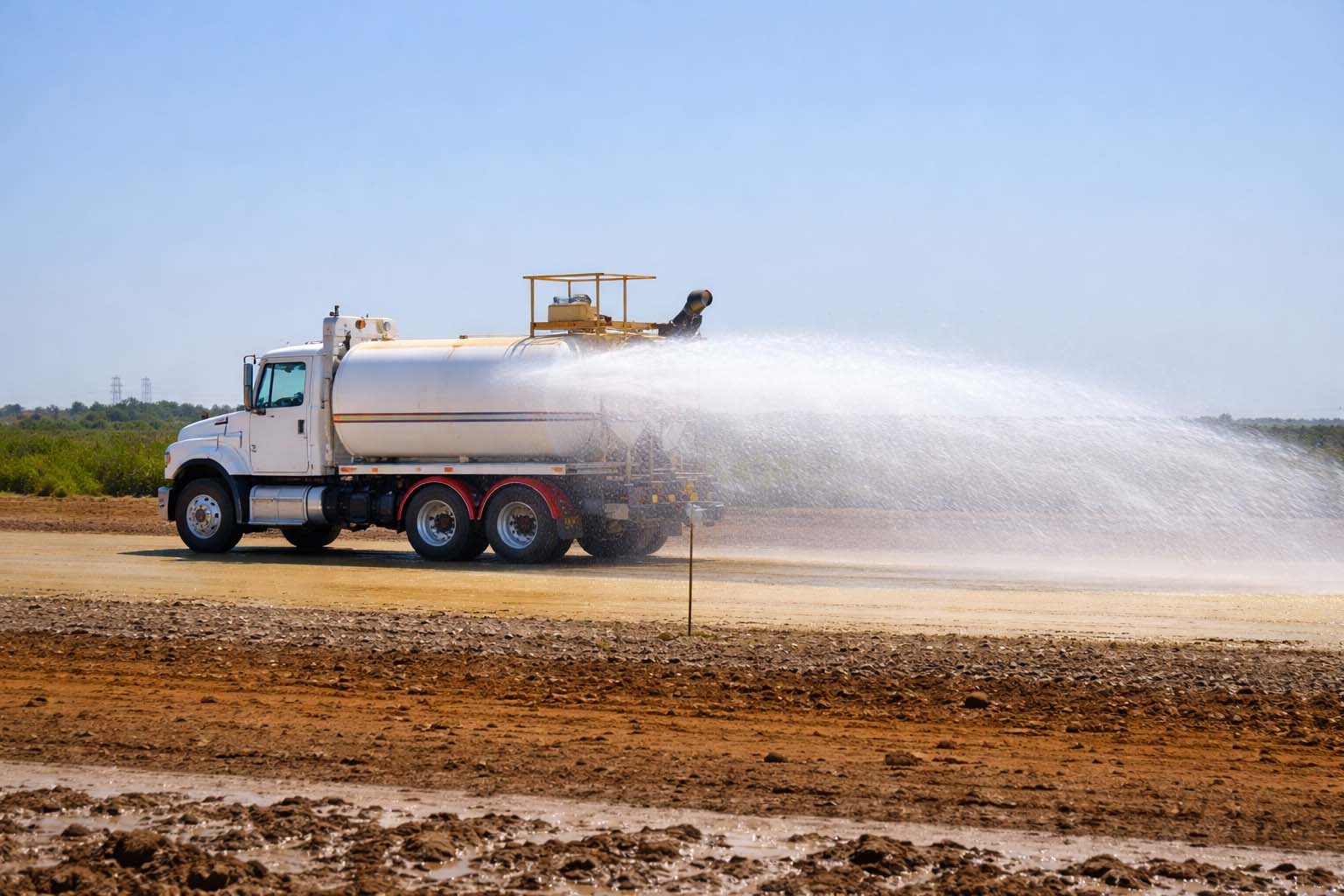
Water is the most common short-term dust control method. It is simple, fast, and widely available. For temporary construction sites, short-duration projects, or low-traffic areas, watering can provide immediate dust suppression.
However, water alone is temporary. In hot, dry, windy, or high-traffic conditions, it evaporates quickly and requires repeated application. Frequent watering also adds labor, fuel, equipment wear, and water-use costs.
In some areas, water availability can be limited or expensive. Water can be useful as part of a broader dust control plan, but it is rarely the most cost-effective long-term solution for roads or sites with recurring dust problems.
Technique 2: Speed and Traffic Management
Vehicle speed has a major impact on dust generation. Faster traffic creates greater turbulence and lifts more fines from the surface. Reducing speed on unpaved roads, haul routes, and jobsite access roads can significantly reduce dust while also improving safety.
Traffic management may include posted speed limits, designated haul routes, reduced vehicle movement during dry or windy conditions, stabilized construction entrances, and limiting unnecessary equipment traffic.
These methods are low-cost and easy to implement, but they work best when paired with surface improvement or stabilization.
Technique 3: Proper Grading and Drainage
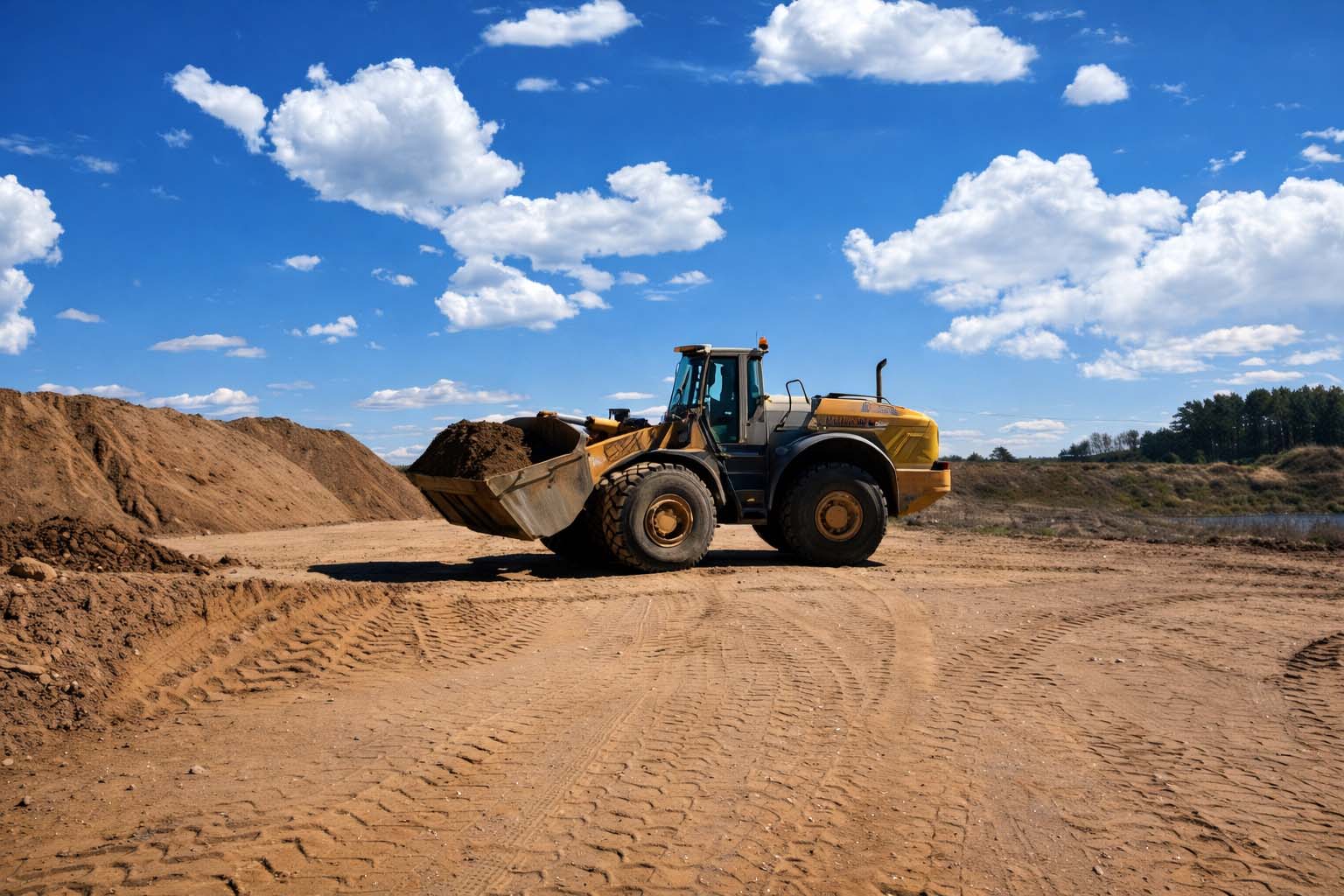
Dust control is not only a surface treatment issue. A poorly shaped road with drainage problems will continue to fail, regardless of what is sprayed on top. Roads should be shaped to shed water properly, with an appropriate crown, functioning shoulders, and maintained ditches or drainage paths.
When water sits on the road surface or penetrates into weak areas, the surface can soften, deform, and lose strength. When it dries out again, loose fines are more easily lifted by traffic.
Proper grading and drainage help maintain a tighter, more durable surface that is less likely to generate dust under normal use.
Technique 4: Aggregate Gradation Improvement
The quality and gradation of the surface material are critical. A good unpaved road surface needs the right balance of coarse aggregate, intermediate particles, and fines.
Too many loose fines can create dust. Too few fines can prevent the surface from binding properly. Poorly graded material often leads to loose aggregate, corrugation, washboarding, and repeated maintenance.
Improving the aggregate blend can help create a denser, more stable wearing course. In many cases, adding the correct material and compacting it properly can reduce dust and improve roadway performance before chemical or polymer treatments are applied.
Technique 5: Chemical Dust Suppressants
Chemical dust suppressants are commonly used on unpaved roads and industrial surfaces. These may include salts, lignosulfonates, synthetic fluids, polymers, enzymes, or other specialized products.
Each category works differently. Some attract and retain moisture. Some bind particles together. Others help improve surface cohesion or reduce permeability.
The right product depends on site conditions, traffic type, climate, soil or aggregate characteristics, environmental requirements, and maintenance goals. A product that works well on one road may not be ideal for another. That is why testing, field evaluation, and proper application rates matter.
Chemical dust control can support:
- Public works road maintenance programs
- Construction entrances and jobsite access roads
- Mining roads and haul routes
- Oilfield access roads
- Industrial yards and commercial sites
- Rural roads, county roads, and unpaved travel surfaces
For public works departments, contractors, mining operations, oilfield sites, and industrial yards, chemical dust control can reduce watering needs, improve surface performance, and lower long-term maintenance demand when selected and applied correctly.
Technique 6: Soil Stabilization and Surface Binding
For recurring dust problems, surface-level suppression may not be enough. If the road base or subgrade is weak, unstable, or moisture-sensitive, deeper stabilization may be needed.
Soil stabilization technologies can help improve load-bearing capacity, reduce moisture movement, and create a stronger foundation for long-term performance.
Polymer-based stabilizers, enzyme-based stabilizers, and other advanced technologies can help bind soil or aggregate particles into a more durable mass. This can reduce dust while also addressing rutting, erosion, washboarding, and surface breakdown.
For roads that experience heavy trucks, utility traffic, agricultural traffic, or industrial equipment, stabilization can provide a more durable solution than repeated surface treatments alone.
Technique 7: Preventative Maintenance Planning
Dust mitigation should not be treated as a one-time event. Roads and sites change over time as traffic increases, weather patterns shift, materials degrade, and drainage conditions evolve.
A proactive maintenance plan helps determine when to reapply treatments, when to reshape roads, when to add aggregate, and when deeper stabilization is needed.
Roadway surveys, condition assessments, and maintenance tracking can help owners move from reactive grading and watering to planned preservation. This approach helps reduce emergency repairs, improve budgeting, and extend the service life of road and site infrastructure.
Choosing the Right Dust Mitigation Strategy
The most effective dust control plan starts with the site conditions. Key factors include traffic volume, truck weight, vehicle speed, surface material, fines content, plasticity, moisture conditions, drainage, climate, environmental sensitivity, and desired service life.
A low-traffic access road may only need periodic surface treatment. A heavy haul road may require aggregate correction, compaction, and stabilization. A construction entrance may need track-out control and frequent maintenance. A county road may need a long-term preservation program.
Envirotx supports dust mitigation by looking beyond a single product application. The goal is to match the right technology to the right problem, from surface dust suppression to full roadway stabilization.
By combining materials, technical guidance, jobsite support, and practical infrastructure knowledge, Envirotx helps agencies, contractors, and private operators build smarter, cleaner, and more durable roadways.
Dust control is not just about keeping the air clear. It is about protecting infrastructure, lowering lifecycle costs, improving safety, and reducing the need for constant maintenance.
Improve Roadway Performance With Smarter Dust Control Techniques
Envirotx helps agencies, contractors, industrial operators, and private site owners evaluate dust problems, improve surface performance, and select practical solutions for safer, cleaner, longer-lasting roads and sites.
Request Dust Mitigation Support